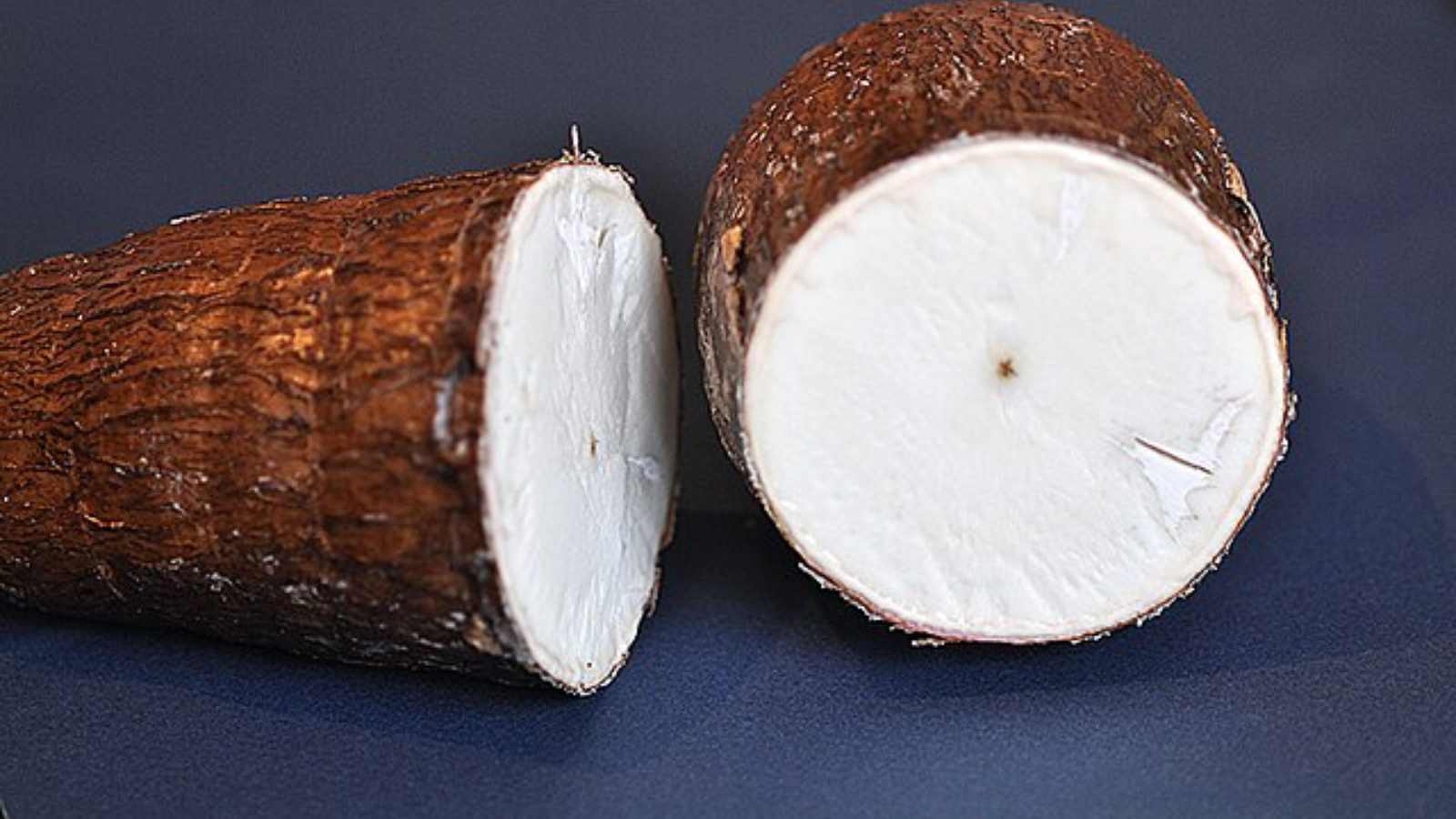
We’ve all been told that eating healthy is the key to a long, happy life. But what if the foods you’re choosing, thinking they’re doing wonders for your body, are actually damaging one of your most important organs? That’s right—some seemingly healthy foods could be silently harming your kidneys, and you might not even realize it.
Let’s dive into the top 10 foods that are often seen as “healthy,” but could be wreaking havoc on your kidneys.
Spinach
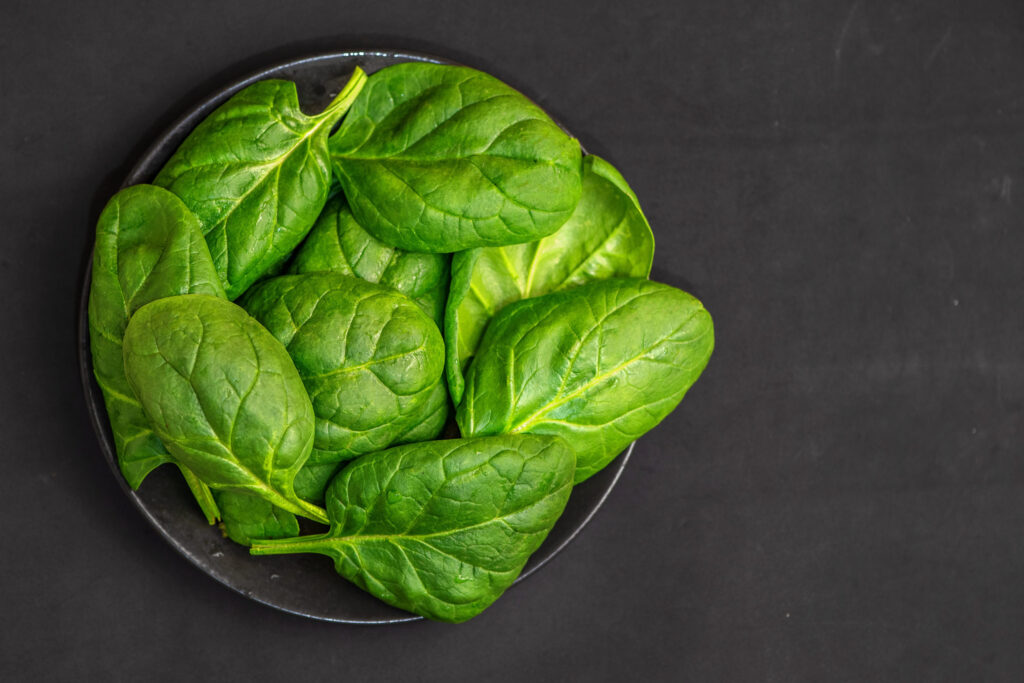
Spinach is packed with vitamins and minerals, making it a go-to for health-conscious eaters. However, this leafy green is also loaded with oxalates, compounds that can bind with calcium and form kidney stones.
If you’re prone to kidney stones, or even if you aren’t, consuming large quantities of spinach can increase your risk. While spinach offers numerous health benefits, it’s wise to consume it in moderation to avoid potential kidney problems.
Almonds
Almonds are often praised for their healthy fats and protein content, making them a popular snack choice. But they’re also high in phosphorus, a mineral that can be troublesome for people with kidney issues.
For those with impaired kidney function, excess phosphorus can disrupt calcium balance, further straining your kidneys. While almonds can still be part of a balanced diet, moderation is crucial for kidney health.
Sweet Potatoes
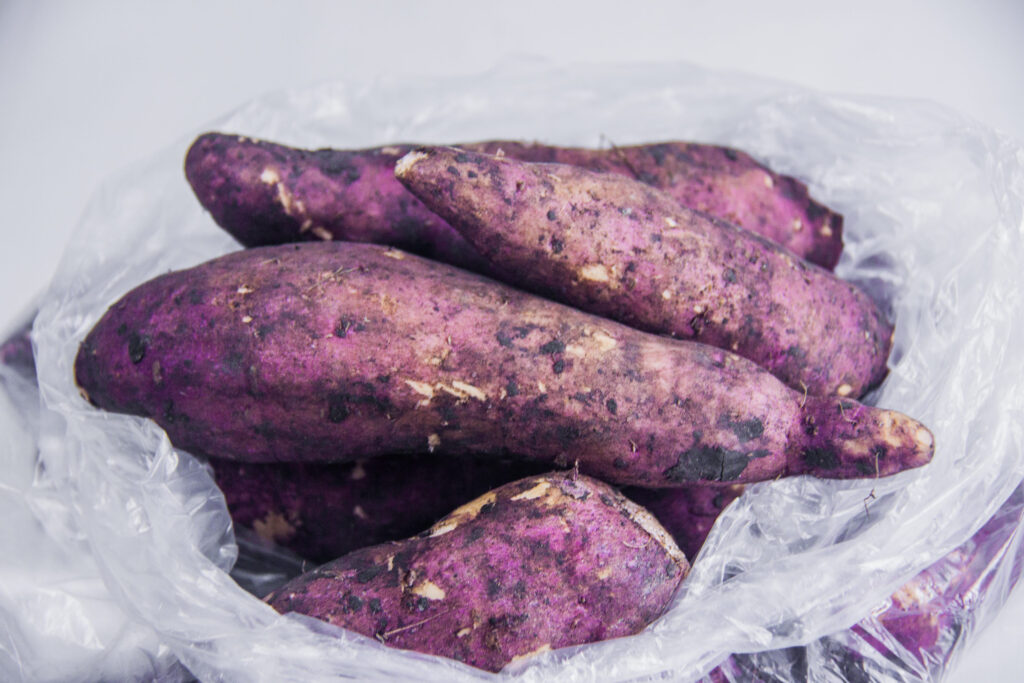
Sweet potatoes are often seen as a healthier alternative to regular potatoes due to their lower glycemic index and high nutrient content. However, they’re also rich in potassium, which can cause issues for individuals with kidney disease.
The kidneys are responsible for filtering excess potassium, but when they aren’t functioning properly, high-potassium foods like sweet potatoes can lead to dangerous conditions, such as heart arrhythmias. Keep an eye on your intake if you’re at risk for kidney disease.
Tomatoes
Tomatoes are packed with antioxidants, including lycopene and vitamin C, but they’re also surprisingly high in potassium. While tomatoes are generally beneficial for your health, consuming too many can be a concern for people with kidney problems.
Maintaining potassium balance is critical for kidney health, and if your kidneys aren’t functioning properly, an overload of potassium from foods like tomatoes can be risky. Moderation is key to enjoying this popular fruit without compromising kidney health.
Avocados
Avocados are often celebrated for their healthy fats and nutrient density, but they are also packed with potassium.
While the nutrients in avocados can be beneficial, they can also pose a risk to those with kidney disease. If your kidneys are already under stress, consuming too many potassium-rich foods like avocados can lead to serious health issues. For those with kidney problems, it’s best to enjoy avocados in moderation.
Cottage Cheese
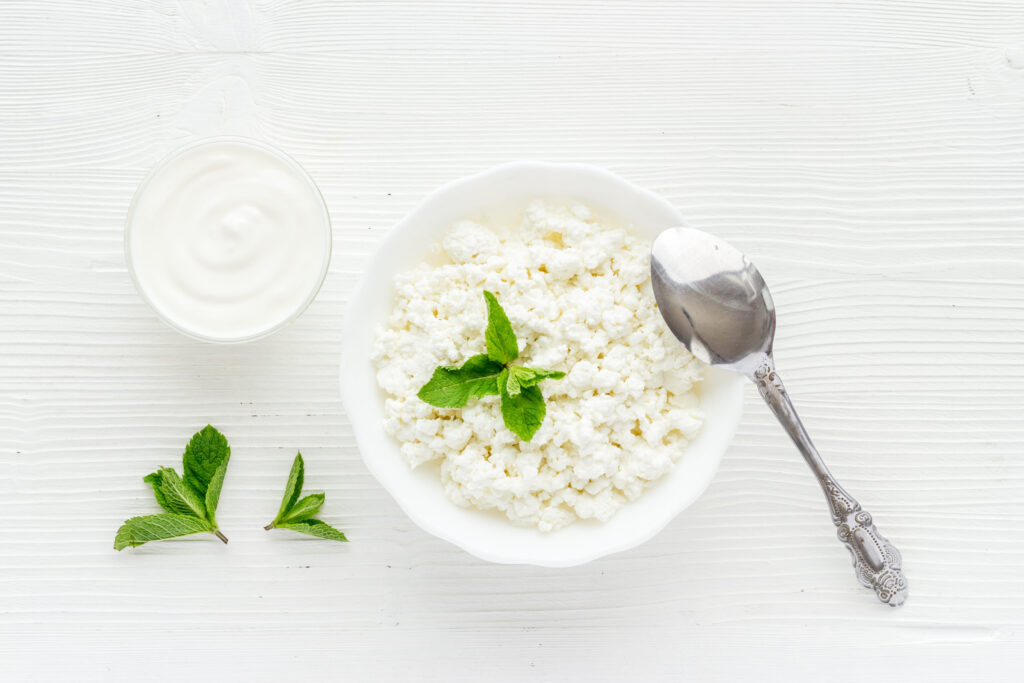
Cottage cheese is a favorite among many for its high protein content and versatility. However, many people don’t realize it’s also high in sodium. Excess dietary sodium can lead to high blood pressure, which, in turn, is a major contributor to kidney damage.
If you’re looking to protect your kidneys, it’s important to monitor your sodium intake—switching to low-sodium cottage cheese might be a simple yet effective solution.
Beets
Beets are rich in nutrients such as fiber, folate, and antioxidants, making them a popular choice among health-conscious eaters. However, like spinach, they contain oxalates, which can contribute to kidney stone formation in some individuals.
If you’re prone to kidney stones or have existing kidney issues, you may want to limit your beet intake. While they offer numerous health benefits, they’re not always the best option for kidney health.
Cherries
Cherries are a great source of vitamins and antioxidants, but they’re also loaded with sugar. High sugar intake can increase the risk of kidney damage, especially for people who are already dealing with kidney disease or diabetes.
While cherries can be part of a healthy diet, those with kidney issues should be cautious of the sugar content, as it can contribute to kidney stress over time.
Whole Grains
Whole grains are often touted as a healthy food choice, loaded with fiber and nutrients. However, they also contain phosphorus, which can be problematic for those with kidney disease.
Phosphorus can build up in the body if your kidneys aren’t functioning properly, leading to an imbalance in calcium levels and other complications. While whole grains are generally healthy, they should be consumed in moderation if you’re at risk for kidney disease.
Mushrooms
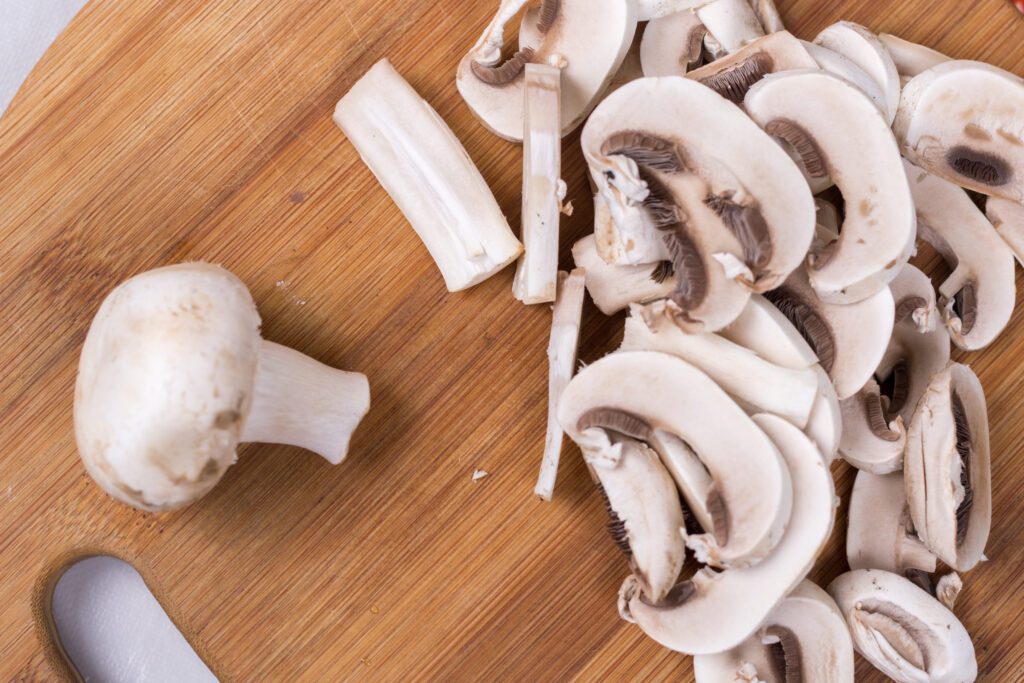
Mushrooms are often considered a healthy, low-calorie food that’s packed with vitamins and minerals.
But did you know that mushrooms are also high in potassium? For people with kidney problems, consuming too much potassium can be dangerous, as the kidneys are responsible for filtering excess potassium from the bloodstream. If you’re at risk for kidney disease, be mindful of your mushroom consumption.